Historic photograph of boats beside a coastal ruin in Lebanon

International call

Archiving
Lebanon's Heritage

A joint call by the Ministry of Culture/Directorate General of Antiquities and Heritage International Institute for the first global archive of Lebanese identity.

Download full text Read full text Submit materials
Scope
Archiving Cultural and Digital Heritage
Partners
Ministry of Culture/Directorate General of Antiquities · Heritage International Institute
Discover the call
01The call

To the millions of Lebanese and friends of Lebanon across the globe

Your homeland
is calling.

A shared digital archive for the knowledge, care and transmission of Lebanon’s cultural heritage.

Read the full call

In a historic and unprecedented joint initiative, the Ministry of Culture/Directorate General of Antiquities (DGA) of Lebanon and the Heritage International Institute (HII) are launching a groundbreaking, world-first digital rescue operation to safeguard every facet of the nation’s identity.

Born from the Cooperation Agreement signed between our two institutions during the international summit in Parma, the Ministry of Culture/Directorate General of Antiquities and Heritage International Institute have united their expertise into a single, powerful alliance.

Cultural and natural heritage is an essential resource for understanding history, identities and the relationship between communities and territories. This international call invites contributions to create an open, permanent and participatory digital archive for collective memory, research, education and the transmission of knowledge to future generations.

Heritage connects generations; together, we keep its stories alive.
02What we preserve

A living national memory

The four pillars
of our heritage

Every document shared becomes part of a global archive developed through the collaboration between the Ministry of Culture/Directorate General of Antiquities and Heritage International Institute. Written documents, oral testimonies, photographs and audiovisual recordings are all valuable. No memory is too small.

01

Tangible Heritage

  • Historical monuments
  • Traditional buildings and architecture
  • Historic centres and old towns
  • Archaeological sites
  • Places of worship
  • Castles and fortifications
  • Industrial heritage
  • Works of art
  • Historical archives and libraries
  • Geographical maps and cartography
  • Historical photographs
  • Family archives and private collections
  • Objects of historical interest and artefacts
  • Administrative and community documents
  • Traditional work tools
02

Intangible Heritage

  • Oral traditions and expressions: stories, folktales, legends, local memories, proverbs, dialects, local and minority languages, oral testimonies and interviews.
  • Performing arts: traditional music, folk songs, traditional dances, folk theatre and community performances.
  • Social practices, rituals and festive events: local festivals, religious celebrations, traditional ceremonies, community events and historical commemorations.
  • Knowledge and practices concerning nature and the universe: agricultural knowledge, environmental knowledge, seasonal calendars and traditional management of natural resources.
  • Traditional craftsmanship: craft techniques, historical trades, traditional tools, technologies and transmission of professional knowledge.
  • Traditional recipes: culinary knowledge, ingredients, preparation methods and food traditions passed down through families and communities.
03

Cultural Landscape

  • Sacred cedar forests and ancient trees
  • Biosphere reserves and protected areas
  • Protected valleys
  • Historical and natural rivers
  • Agricultural stone terraces and historic cultural landscapes
  • Ancient caves and geological formations
  • Unique local biodiversity and wildlife ecosystems
  • Traditional environmental and climate descriptions
04

Digital Heritage

The initiative also accepts materials already in digital form: archives, websites, blogs, photos, audio and video recordings, digital maps, social content with historical or community significance and digital memory projects.

03How to contribute

Formats

Accepted materials

  1. 01

    Documents, letters, diaries, manuscripts, registers, maps, drawings, publications and archival materials.

  2. 02

    Photographs, historical photographs, contemporary photographs, family collections and digitized images.

  3. 03

    Audio, interviews, oral testimonies, songs, traditional music, archival concerts and performances, environmental recordings and local memory stories.

  4. 04

    Video, documentaries, historical footage, archival concerts and performances, traditional events, rituals, craft techniques, testimonies, landscapes and natural environments.

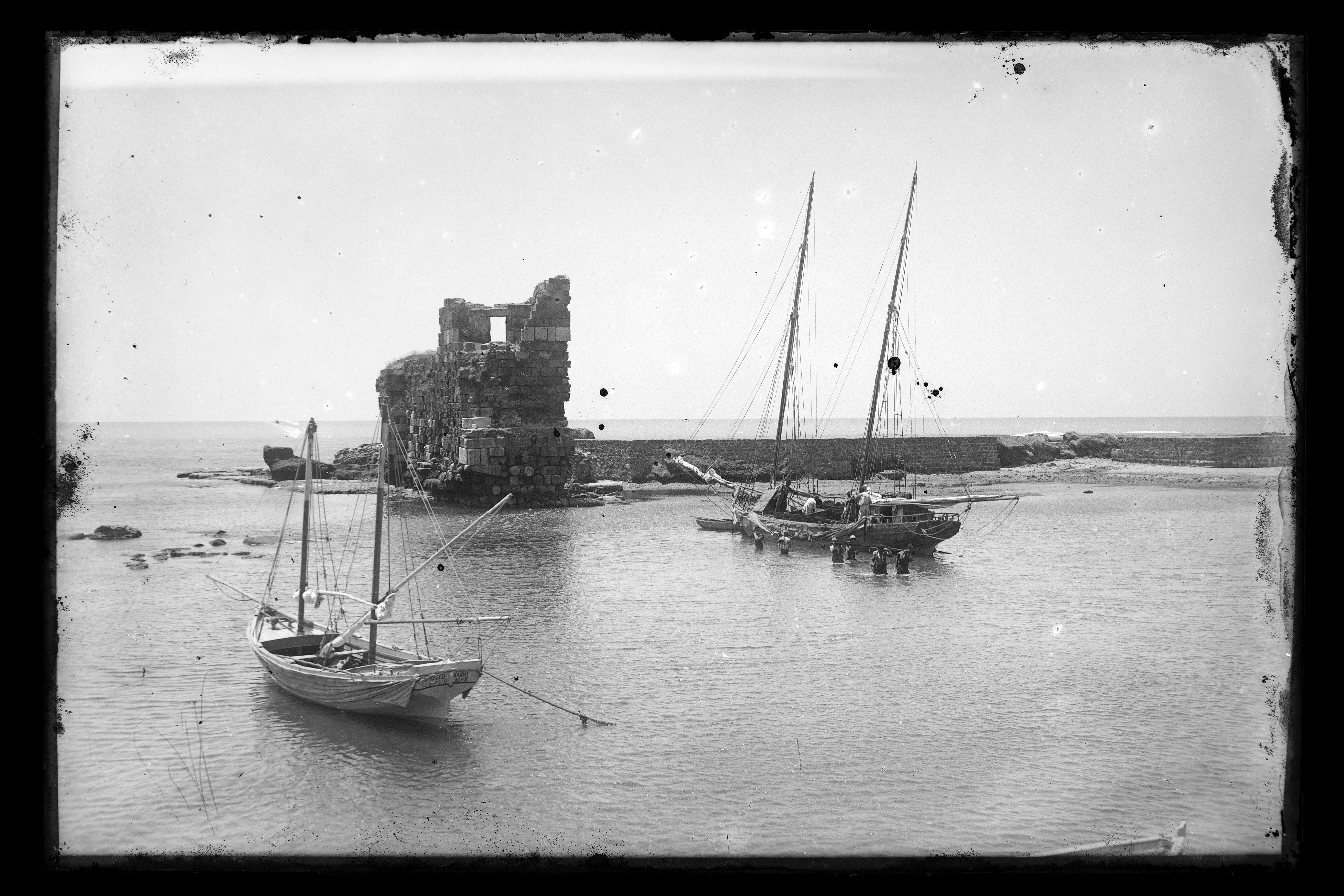
Byblos Fishermen's Harbour Mid-19th century Glass plate photograph © Directorate General of Antiquities–Lebanon

Memory needs context

Share the story behind your material

Wherever possible, each contribution should include useful documentation details such as title, description, place, date, creator or owner, historical-cultural context, heritage classification and rights or permissions.

Contributors are invited to briefly introduce themselves and explain who they are, their connection to Lebanon, what they are sharing, where and when the material comes from, and why it matters to their family or community.

04A shared commitment
01

Honorary distinction

The Ministry of Culture/Directorate General of Antiquities and Heritage International Institute establish the honorary distinction “Guardians of Lebanese Memory” for exceptional contributors who help protect the heritage of the nation.

02

Grand Gala Launch

The Digital Global Archive will be unveiled through a high-level event in Rome, connected by a real-time digital bridge with Beirut.

03

Italian connection

Italian cultural heritage networks and academic experts support comparative research, technical standards and global visibility.

04

Who can participate

Citizens, families, communities, associations, schools, universities, researchers, museums, archives, libraries, public bodies and cultural organisations.

Historic Lebanese coast, boats and ruins

One archive. Millions of memories.

Help make Lebanon's
heritage immortal.

Every photograph, testimony and document can become a bridge between generations.

Secure contributions are transferred to the CNR archive for review